
The Seven Sacraments of the Catholic Church
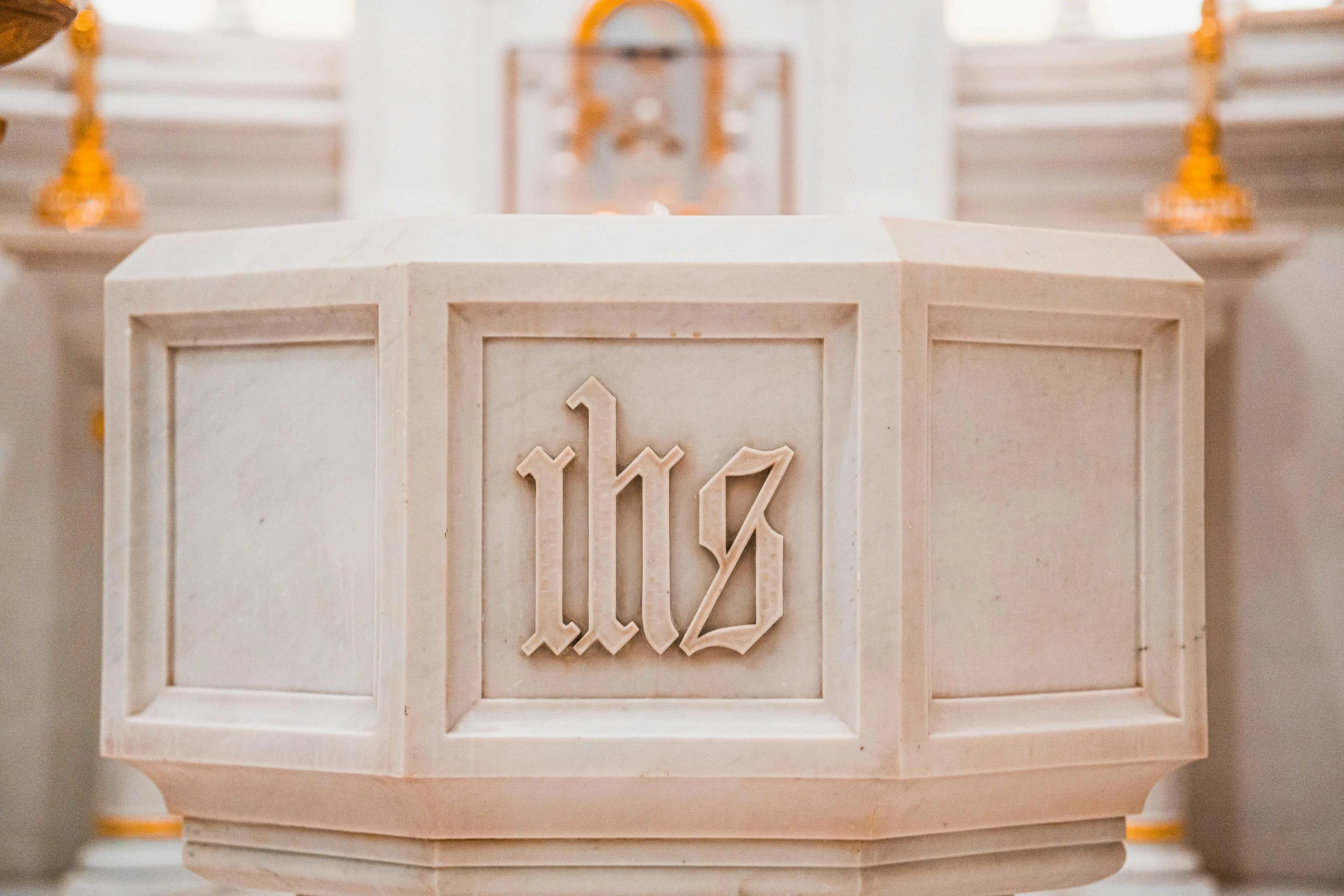
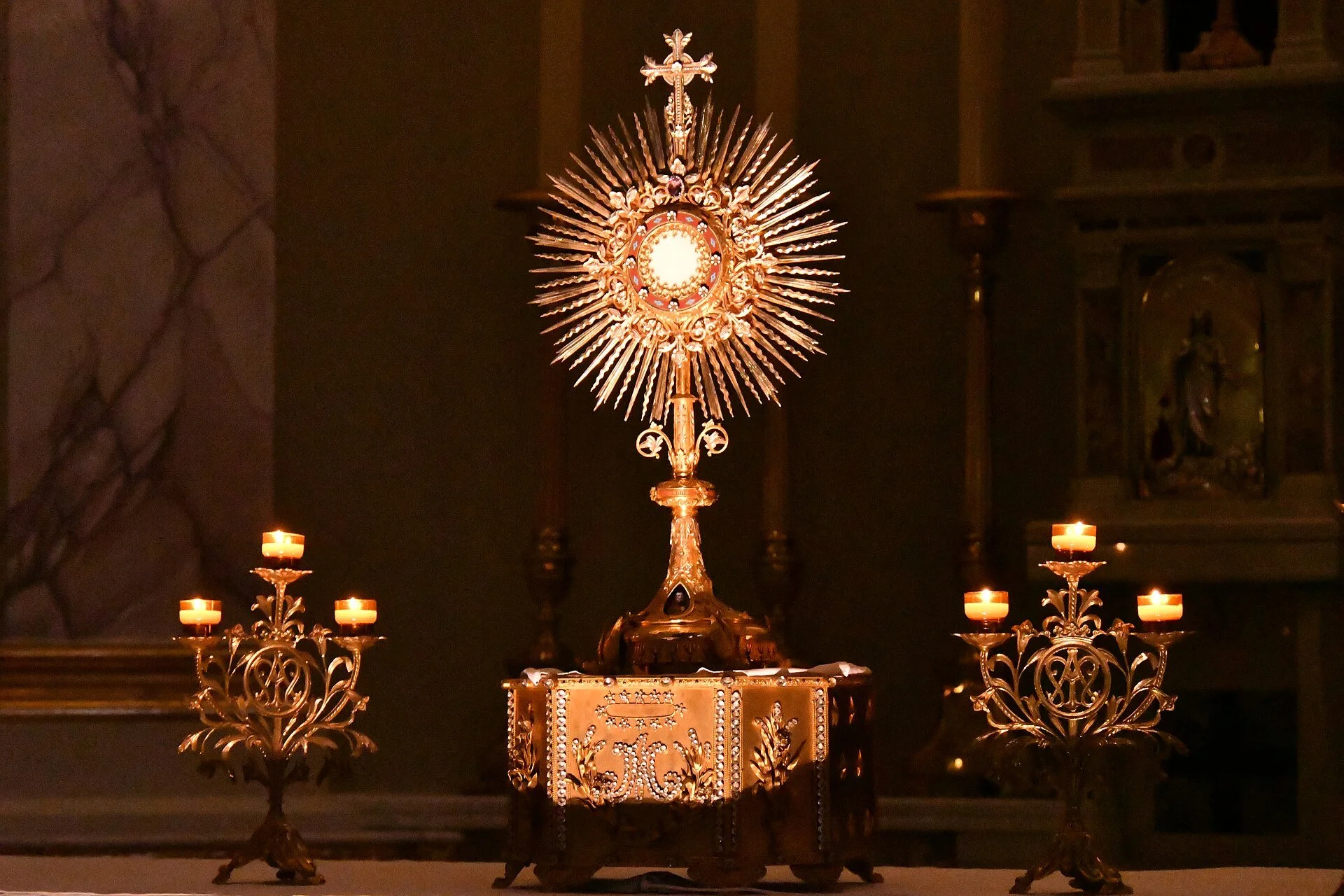

The Seven Sacraments of the Roman Catholic Church are sacred signs instituted by Christ to confer grace and sanctify the faithful. They are central to the Church's liturgical life and are divided into three categories: the Sacraments of Initiation (Baptism, Confirmation, and the Eucharist), the Sacraments of Healing (Penance and Anointing of the Sick), and the Sacraments at the Service of Communion (Holy Orders and Matrimony). Each sacrament is an outward sign that conveys the inward grace of God, fulfilling a particular role in the spiritual life of Catholics. Through them, the faithful are born into the Church, strengthened, healed, and commissioned to serve. The Catechism teaches that the sacraments are "powers that come forth" from the Body of Christ (CCC 1116) and act ex opere operato, meaning they confer grace by the very fact of the action being performed, provided the recipient is properly disposed.
-
Baptism is the first and foundational sacrament, the "gateway to the life in the Spirit" (CCC 1213). It frees individuals from original sin, makes them members of Christ, incorporates them into the Church, and marks them with an indelible spiritual character.
Age 7 or Older
Children of catechetical age prepare for Baptism on Sunday mornings during regular Faith Formation time. Parents/Godparents attend several mandatory sessions throughout the process.
-
The Sacrament of Penance (or Reconciliation) is the means by which baptized Catholics receive God's forgiveness for sins committed after Baptism. It involves contrition, confession to a priest, and absolution (CCC 1451–1460). Christ gave the apostles, and their successors, the authority to forgive sins (cf. John 20:23), and this ministry continues in the Church.
-
The Eucharist is "the source and summit of the Christian life" (CCC 1324). It is the sacrament in which Jesus Christ is truly present, body, blood, soul, and divinity, under the appearances of bread and wine. Instituted at the Last Supper, the Eucharist makes present the one sacrifice of Christ on the cross in an unbloody manner (CCC 1367).
-
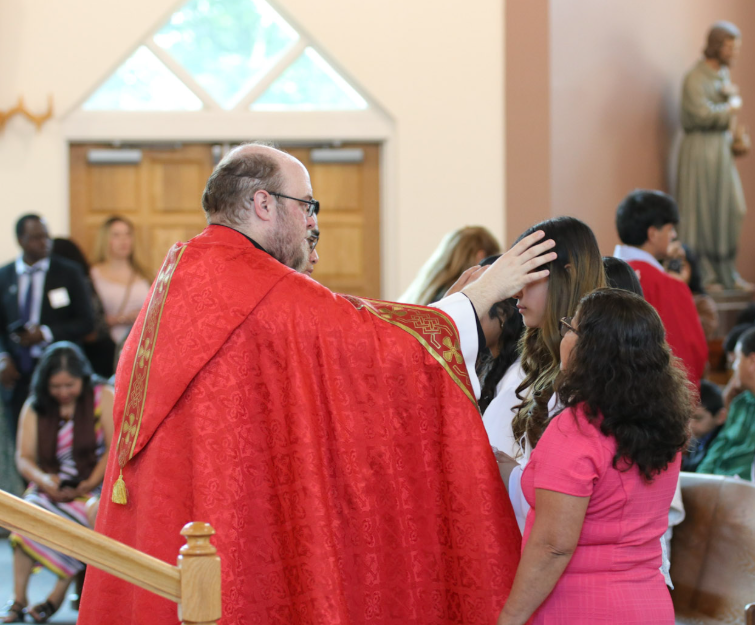
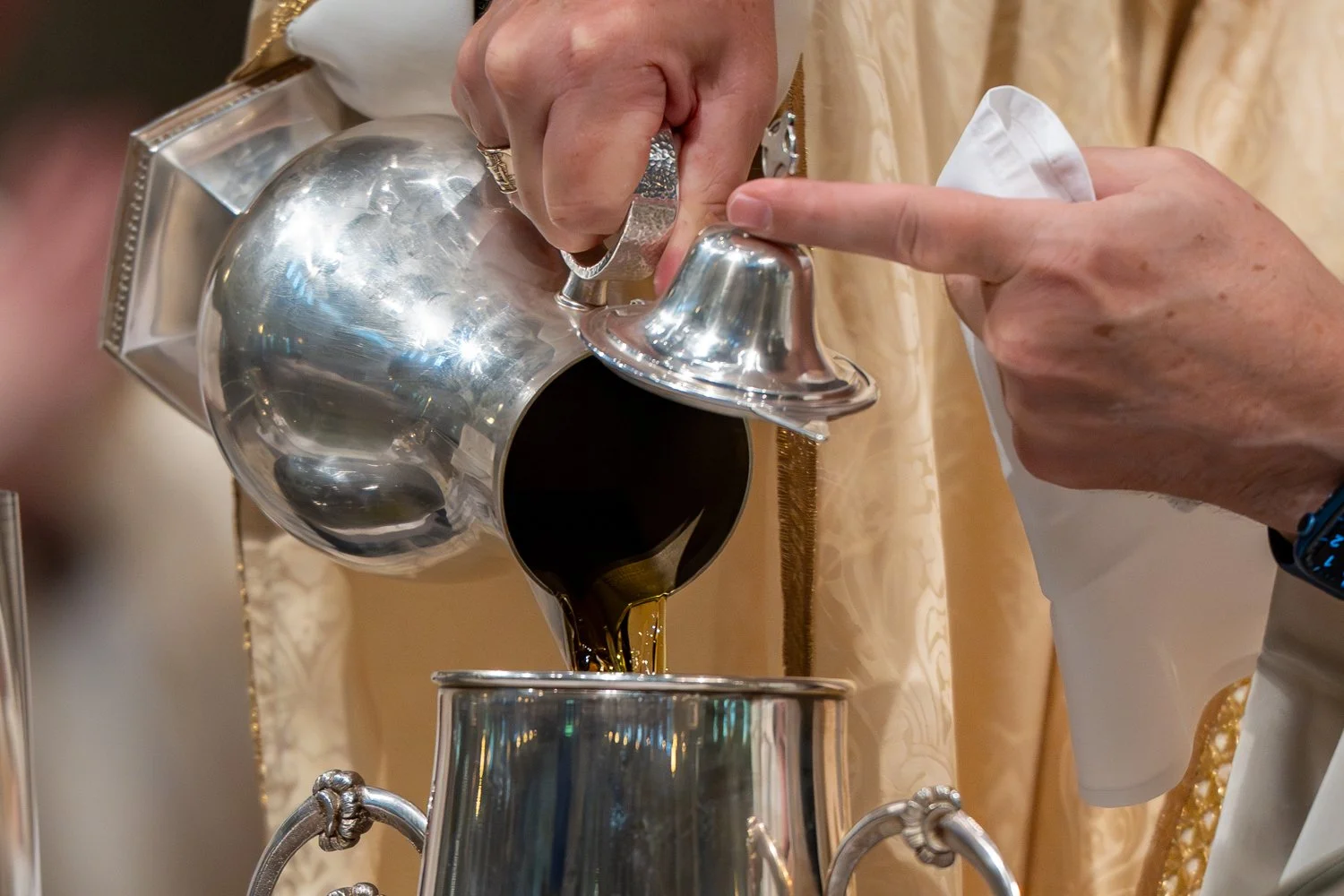
Confirmation is the sacrament that strengthens and completes the grace of Baptism. It is conferred by the anointing with sacred chrism and the laying on of hands by the bishop (CCC 1299). This sacrament roots the person more deeply in divine sonship, unites them more firmly to Christ, increases the gifts of the Holy Spirit, and strengthens their bond with the Church (CCC 1303). It also gives the person a special strength to witness to the Christian faith in word and deed.
-
Matrimony is the sacrament by which a baptized man and woman are united in a lifelong covenant of love and fidelity, ordered toward the good of the spouses and the procreation and education of children (CCC 1601). Christ elevated marriage to a sacrament, making it a sign of His union with the Church (CCC 1617).
-
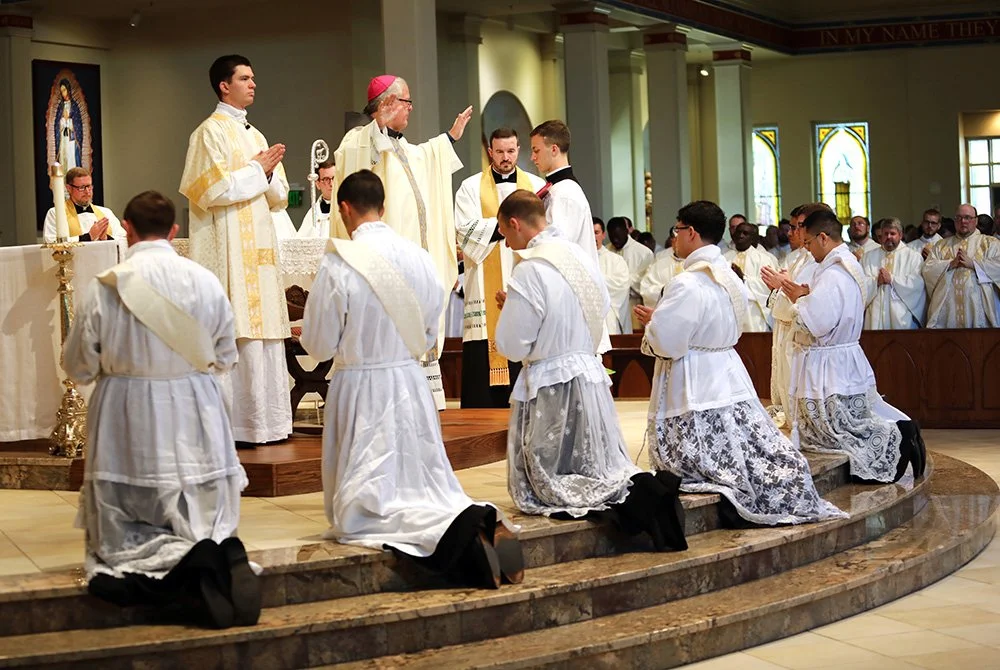
Holy Orders is the sacrament through which the mission entrusted by Christ to His apostles continues in the Church until the end of time (CCC 1536). It includes three degrees: episcopate (bishop), presbyterate (priest), and diaconate (deacon). Through this sacrament, the ordained receive a special outpouring of the Holy Spirit that configures them to Christ and empowers them to serve the Church through teaching, divine worship, and pastoral governance. Holy Orders confers an indelible spiritual character and can only be validly received by baptized men, as instituted by Christ and upheld by apostolic tradition (CCC 1577). The ordained act in persona Christi (in the person of Christ), especially in the celebration of the Eucharist and other sacraments (CCC 1548).
For information: Holy Orders
-
The Anointing of the Sick is the sacrament that confers special grace on those suffering from serious illness or old age. It includes prayers and the anointing with oil blessed by the bishop, usually administered by a priest (CCC 1517–1519). This sacrament unites the sick person with Christ's redemptive suffering, offers peace and courage, and can lead to physical healing if God wills. It also prepares the soul for eternal life, especially in cases of imminent death. Far from being only for the dying, the Catechism teaches that it is meant for anyone facing serious health challenges (CCC 1514–1515).
To request the sacrament, call the parish office: 336-722-7001